
- Industry: Instant Coffee & Tea
- Location: United States
- Website: wakacoffee.com
Waka Coffee & Tea kept stock flowing into Target and Walmart
Waka Coffee & Tea started in 2018, bootstrapped with $10,000, on a mission to reposition instant coffee for a new generation of consumers.
- Cash a few days after, and repeat requests take days
- Approved in days
- Funded alongside regular Amazon replenishment
- Retail launches
- Year-over-year growth, now in Target, Walmart and Meijer
- 35%
"I had an initial call with a Wayflyer salesperson, and we got approved within a few days, and the cash came a few days after that. Now, if we need more funds, it's a matter of days between the request, the approval, and getting it."
The Idea
Reinventing Instant Coffee for a New Generation
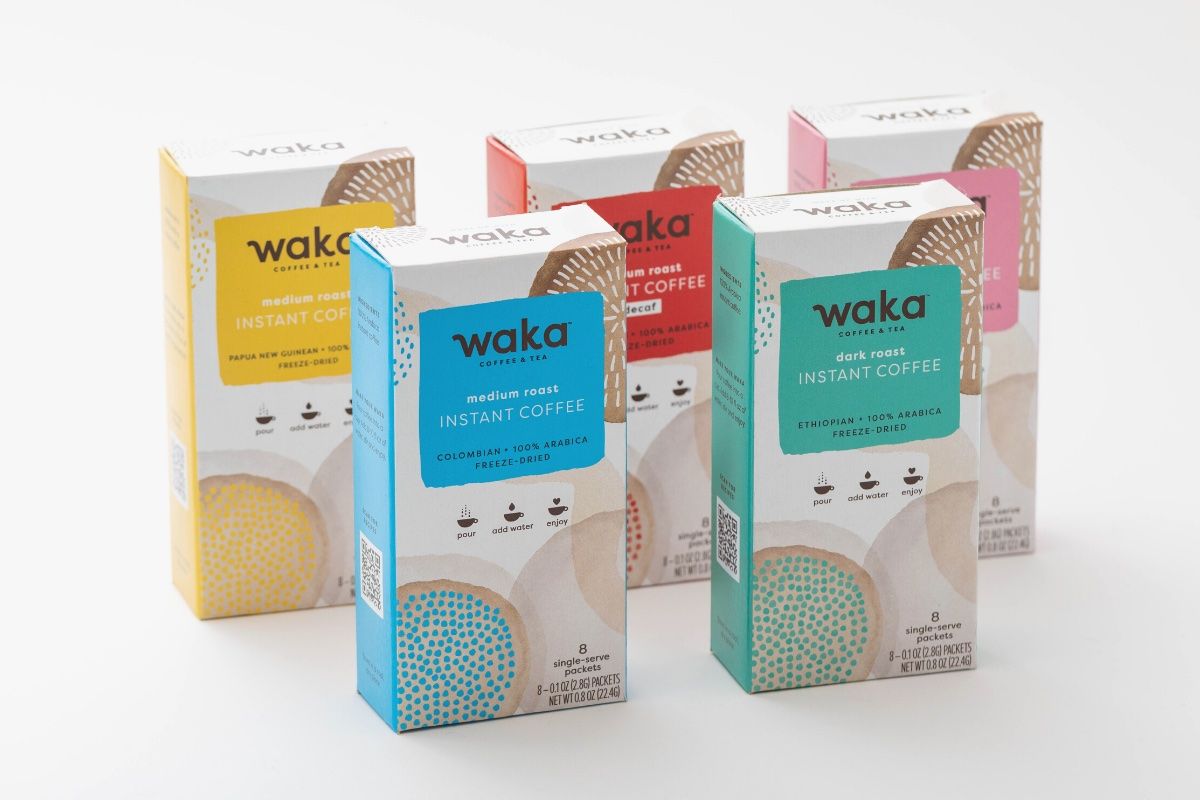
Waka Coffee & Tea started in 2018 bootstrapped with $10,000 and a mission to make instant coffee cool again. Founder David Kovalevski packaged the first batches himself out of a commercial kitchen, betting that instant coffee and tea deserved better than a dusty spot on the bottom shelf. Today, Waka sells more than 40 products across instant coffee, tea, and functional blends, with a footprint that spans Amazon, Target, Walmart, and Meijer, plus hospitality and wholesale ingredient supply to other CPG brands.
David started Waka to solve a perception problem. Instant coffee had a reputation, and he thought modern consumers deserved a version worth drinking.
We wanted to reposition this old-school, bottom-of-the-shelf grocery store product for modern consumers, for younger generations who either had a bad perception of instant coffee or had never tried it at all.
The same thinking extended to tea a few months later. David noticed that coffee shop customers switch between coffee and tea depending on the day, so he built out an instant tea line using the same powder and granule format. From there, the product range kept expanding: different roasts, flavors, and package sizes, a functional tea line with prebiotics, and sweetened blends with spices like chai. Waka now also supplies its coffee and tea as an ingredient to other manufacturers, showing up in everything from ice cream to protein shakes to candy.
The Growth
From Amazon to Target, Walmart, and Beyond
Waka built its early traction on Amazon, and staying in stock became critical to staying visible.
When you're selling more and more on Amazon, it's important to have the stock there because it impacts your rating. You can be the number one seller, and then you're out of stock for two months and you're gone.
That pressure only grew as Waka added SKUs and expanded into Target, Meijer, and Walmart. Manufacturing everything in the US meant long lead times between placing an order and having stock ready to ship.
Because we package everything in the US, there's a supply chain lead time. If we want to make sure we have stock in two months, we have to start buying it five months out.
Multiplied across 40-plus products and a growing number of retail accounts, that lead time turned inventory planning into one of the biggest constraints on how fast Waka could grow. Cash was going out months before it came back in, whether Waka was waiting on Amazon sales, a retailer's payment terms, or deductions still sitting unresolved.
Solution
Financing That Moves as Fast as the Business
Wayflyer gave Waka the speed to match its lead times. David's first financing call turned into approved capital within days.
That speed mattered because Waka's cash needs rarely followed a clean 12-month forecast. A product taking off on Amazon, or a new retail account like Target, Meijer, or Walmart asking for inventory on a short timeline, could change what Waka needed within weeks. Wayflyer financed both the day-to-day Amazon replenishment and the bigger retail launches.
Alongside that financing, Waka also uses SPS Revenue Recovery to claw back money lost to Amazon deductions, FBA fee errors, and lost inventory, and more recently to cover retail deductions at Target too. It runs largely hands-off, adding a second, less predictable stream of cash on top of what Wayflyer provides. Between the two, David sees financing and recovered deductions easing the same cash flow pressure from different angles.
Every cash resource is a gift for a growing business. Getting more cash than you expect is always a good thing.
Rather than raising another round to fund that growth, Waka leaned on both instead.
Instead of raising more and more capital, we use services like Wayflyer and SPS Revenue Recovery to bring in cash. It's a lot quicker than raising capital, and it keeps us focused on selling products instead of raising money.
Waka has grown from a $10,000 bootstrap to a multimillion dollar business growing 35% year-over-year, now sold in Target, Walmart, and Meijer stores alongside its Amazon business, with more products and retail accounts on the way.
Interested in following in Waka Coffee & Tea's footsteps? Wayflyer has funded over 7,000 businesses worldwide with $7 billion worth of working capital, backed by world-leading financial institutions. Apply in minutes and access funds in hours. Start your application today.
Trusted by


